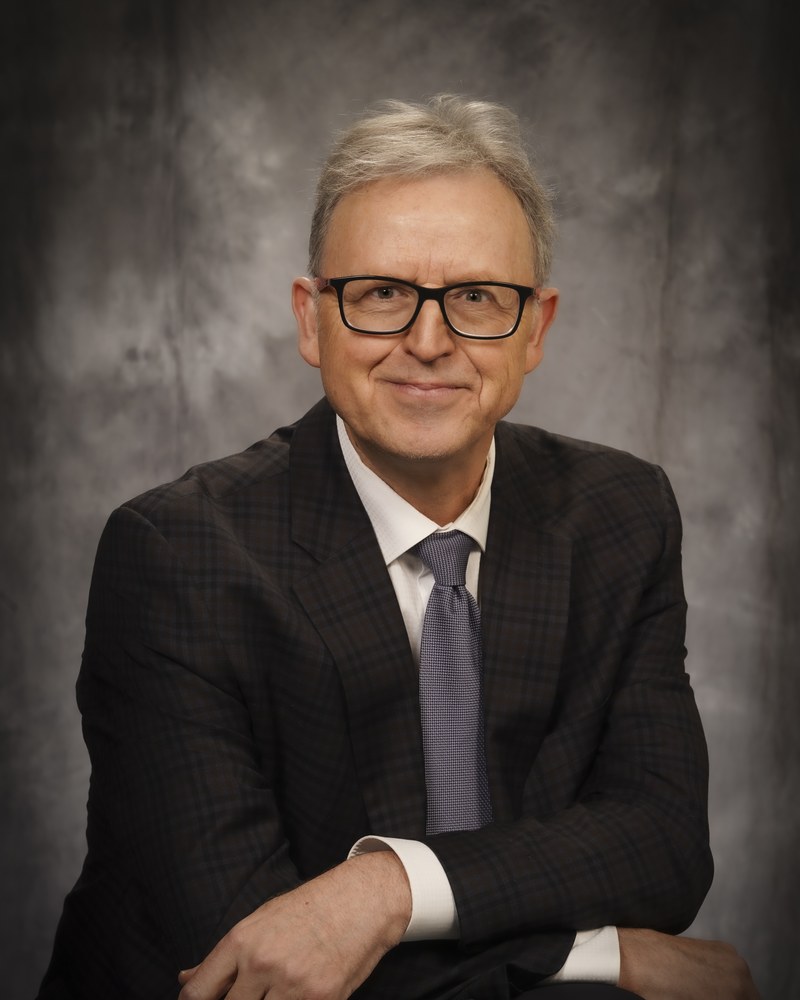
Dr. Simon D. Kirby
Some people have two careers. Simon Kirby had to build two lives.
Dr. Simon D. Kirby's remarkable professional journey began not in medicine, but in electrical engineering. Fascinated by complex systems, problem-solving, and the emerging possibilities of technology, he eventually changed direction and entered medicine.
He went on to train as an otolaryngologist and facial plastic surgeon, building the demanding surgical career he had worked for years to achieve.
Then, without warning, everything changed.
In 2004, Simon suffered a catastrophic vertebral artery dissection and brain injury. He survived a ten-day coma and began a long recovery from neurological injuries that made returning to his former surgical career impossible.
Sometimes life gives you a second act
Left foot.
Right foot.
But the end of one career became the beginning of another.
Recovery began with something much simpler. One step became another. Physical recovery became psychological recovery. And eventually recovery became reinvention.
Simon returned to medicine and retrained as a pathologist, learning to see medicine, and life itself, from an entirely different perspective.
The surgeon who had once relied on his hands now built a second career around observation, pattern recognition, judgement, and diagnosis.
What emerged was a new understanding of resilience, adaptation, perspective and the extraordinary human capacity to begin again.
From surgeon to patient to pathologist
Before his injury, Simon Kirby spent years learning how to operate with precision.
After it, he had to learn something entirely different: how to rebuild himself.
Drawing on his experiences as an engineer, surgeon, patient and pathologist, Simon began thinking differently about recovery and human performance.
He came to see recovery not as a return to the person he had been, but as a process of adaptation — learning, recalibrating and moving forward.
Smart Neuroplasticity
Those ideas became part of a personal framework he calls Smart Neuroplasticity.
But beneath the neuroscience lies something even more fundamental.
Hope.
Faith.
Perspective.
And the willingness to take the next step when you cannot yet see where the road will lead.
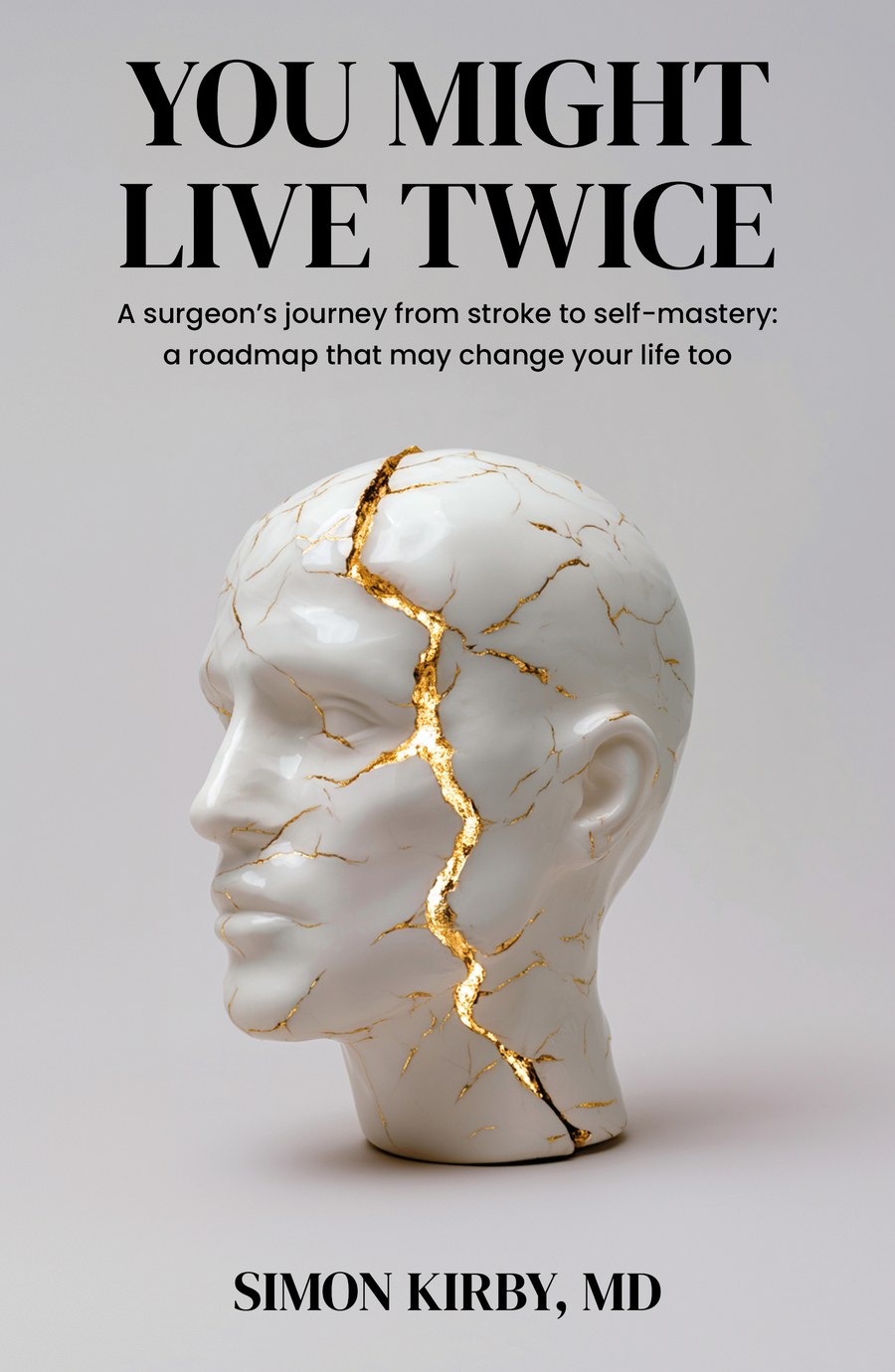
That extraordinary journey became the foundation for his memoir, You Might Live Twice.
More than a story of survival, the book explores what happens after the crisis has passed: how we adapt, rebuild, find meaning in unexpected circumstances, and sometimes create a second life we could never have imagined while living the first.
Today
Today, Simon continues to practise medicine while writing and speaking about resilience, reinvention, judgement, and human performance.